

Our limited-edition Father’s Day Coffee has arrived!

20th May 2025

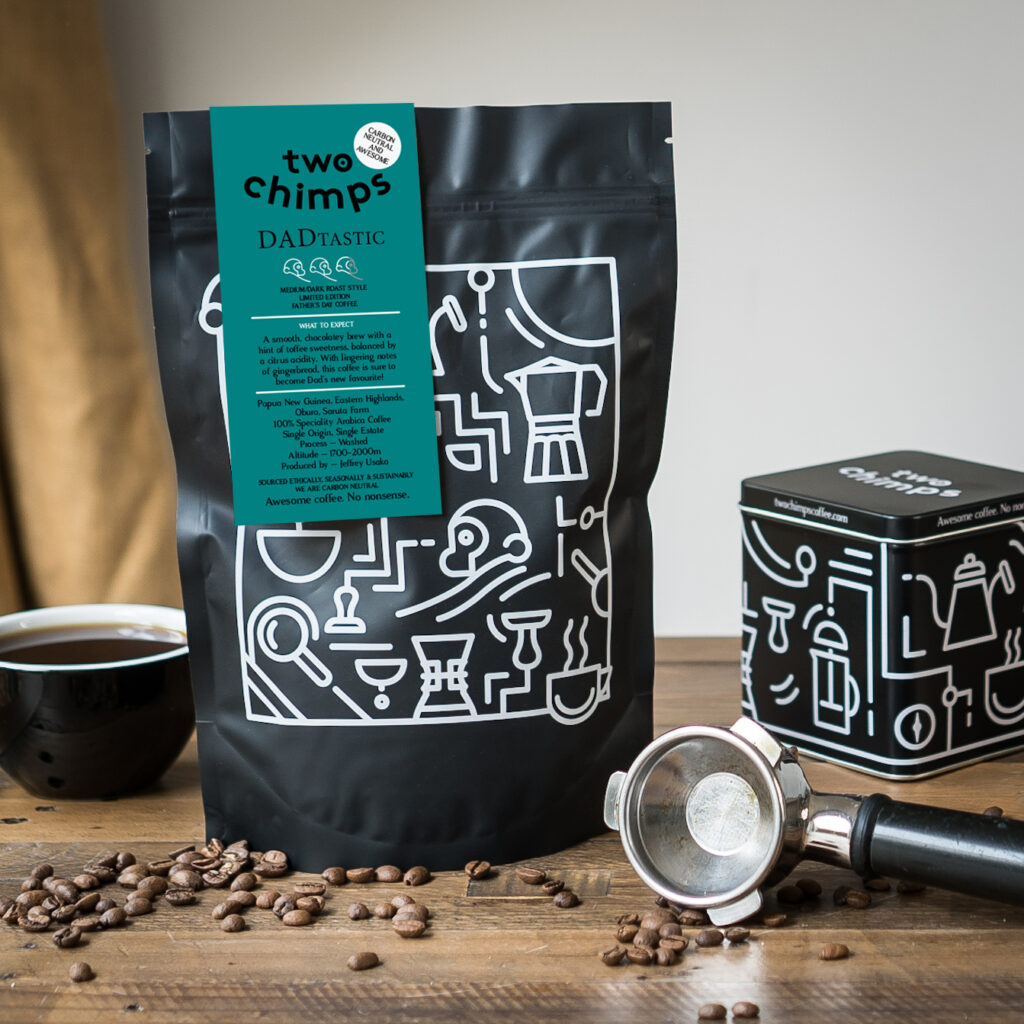
Give Dad the brew he’s been craving this Father’s Day with our DADtastic coffee!

It’s that wonderful time of year again when we get to give Dad something special for Father’s Day. While BBQ utensils and his favourite beers always go down a treat, didn’t we get him those last year? It’s time to get creative!

So, what does he love? You can’t go wrong with coffee, and specialty coffee is truly the best of the best. But let’s take it a step further: our limited-edition Father’s Day coffee is back, and it’s even more DADtastic than ever! Let’s dive into the fantastic flavours, origins, and roasting styles that make this brew special. Ready? Let’s get started!


DADtastic Coffee

Where was this coffee grown?

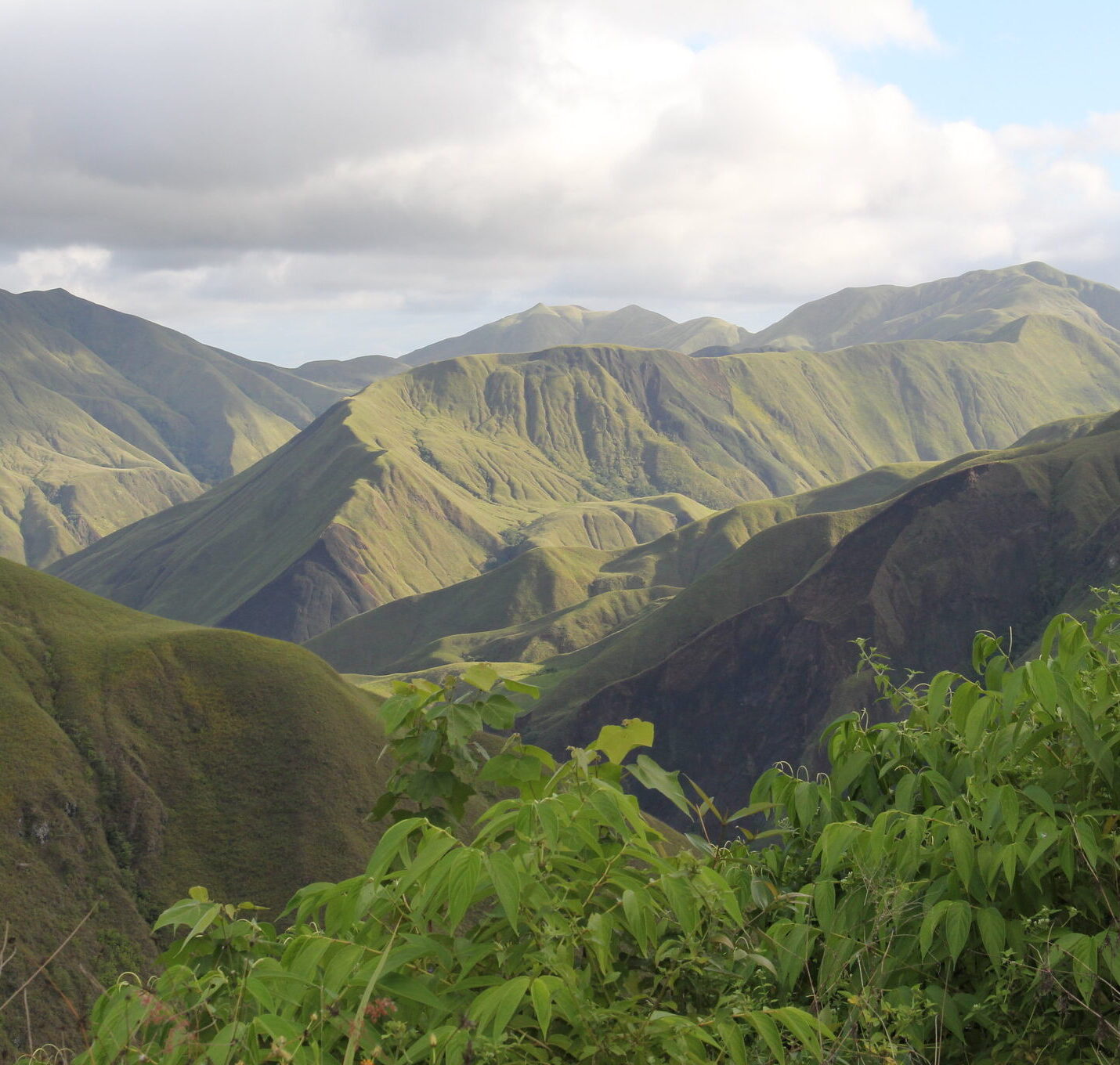
Jeffrey Usaka cultivated this coffee on his 75-hectare farm, Saruta, in the Obura district of Papua New Guinea’s Eastern Highlands. PNG has been growing coffee since the 19th century, and most of its coffee is produced in the Eastern and Western Highlands.

Farms in these areas are small and are managed by communities that have been in the industry for decades. Amazingly, 85% of Papua New Guinea’s coffee is grown on farms like this.

With 2.5 million families depending on the coffee industry for their livelihood, the fact that small plots are favoured has ensured that they can continue to follow in their ancestors’ footsteps.

This is mainly because 95% of PNG coffee is Arabica, which is the superior type of coffee bean, but tends to need a bit of extra care to flourish. We are talking about high altitudes, the perfect climate, ample rainfall, and sound farming practices. Generally, this is harder to monitor on larger plots, and practices such as strip picking will cause the quality to decrease.

What does it taste like?

We know Dad loves a rich, chocolatey flavour, and we’re here to deliver. We’ve roasted this coffee to a medium/dark level, so he can enjoy those delicious, bold flavours while still catching some of the unique notes from the beans.

Starting with a rich and creamy chocolate base, a cheeky chunk of toffee adds just the right amount of sweetness. To provide a bit of zest, a hint of citrus perfectly balances the flavours. But that’s not all; Dad will also enjoy the lingering notes of lightly spiced gingerbread. All we can say is – yum!


How are these flavours achieved?

With the taste of coffee, this is achieved in multiple ways. But we’re going to explore how the variety of beans, the processing method and the roasting all affect the overall flavour. Let’s dive right in!

This coffee has three bean varieties: Arusha, Blue Mountain and Typica. Each of these holds its own flavours and characteristics.

Let’s start with Arusha. This is a variation of Bourbon and Typica and is said to have been first discovered in PNG. The flavours associated with this are a bright citrus, smooth nuttiness and a full-bodied mouthfeel.

Next up is Blue Mountain, which is named after where it was first grown: the Jamaican Blue Mountains. This variety has a sweetness and slight acidity, giving it a perfect balance.

Lastly, Typica is one of the popular varieties of specialty coffee, and has been the genetic base for hundreds of hybrids (just like Arusha). Although on its own, it typically has a low yield, the beans are of excellent quality, with lemon flavours and a sweet aftertaste.

How were these beans processed?

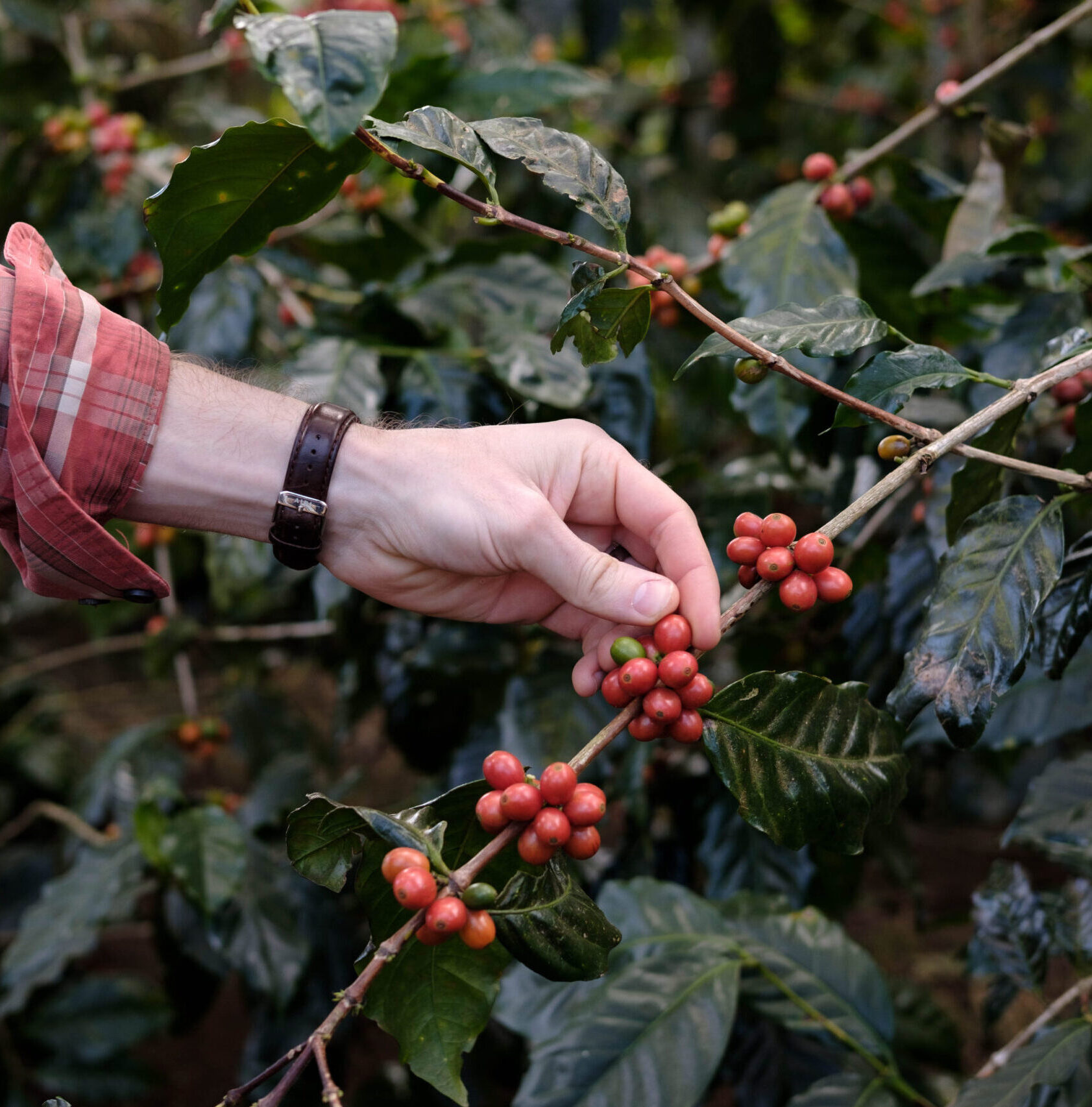
Processing is a massive factor affecting the flavours in the cup, and the two main methods used are washed and natural. This coffee was processed using the washed method. First, the cherries are hand-selected using the Brix measurement system to check for optimum sugar content. Once picked, the fruit is floated to separate the underripe (floaters) from the perfectly ripe.

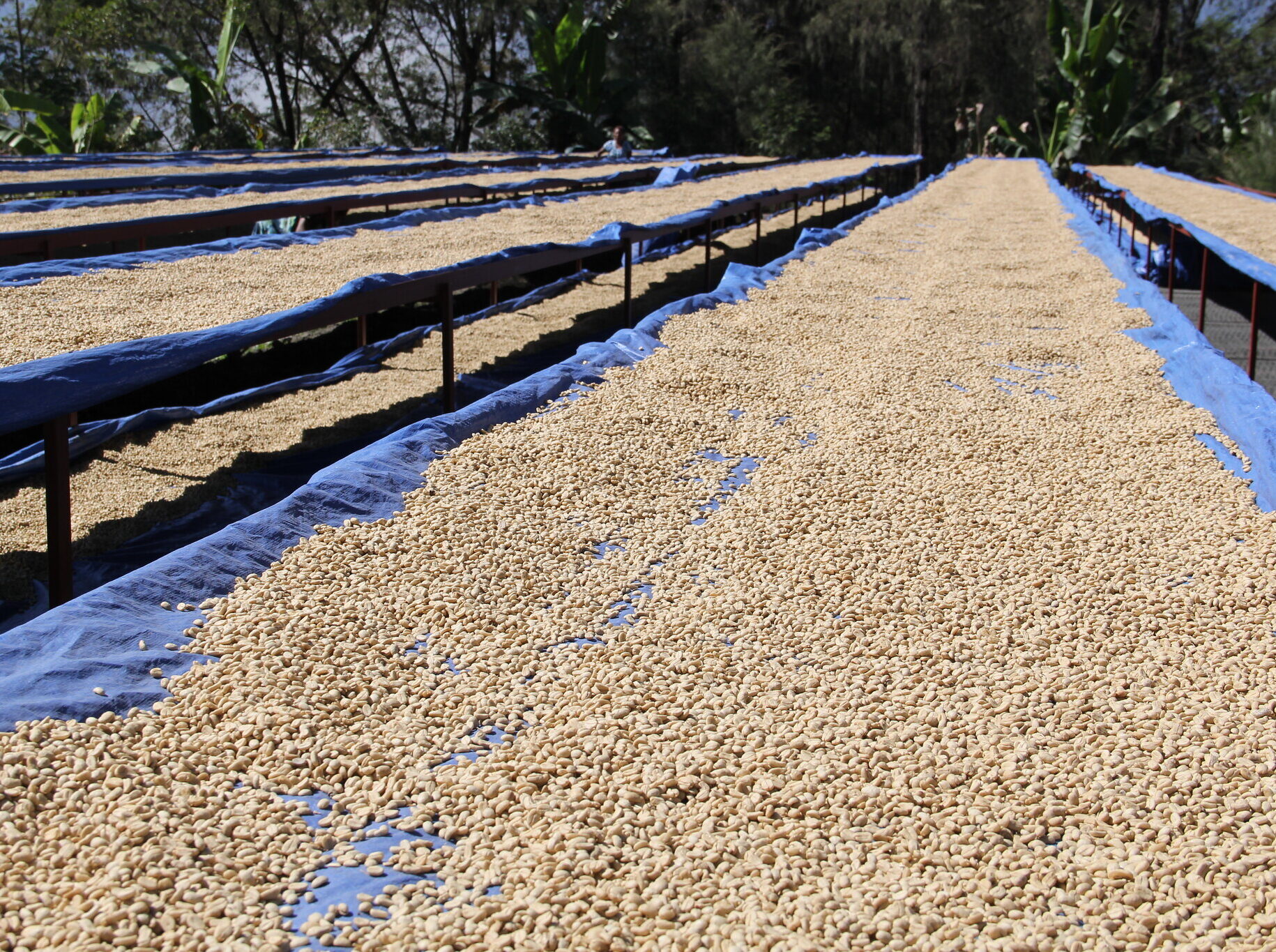
The fruit is then de-pulped, where the beans are removed from the cherry’s flesh. The beans are then processed with a wet-fermentation technique for 72 hours before a final wash to remove any remaining mucilage. The coffee is then sun-dried on patios for 5-7 days or until the optimum moisture content has been reached. It is then bagged and shipped to us at Two Chimps HQ, where our artisan roasters expertly turn these green beans into our DADtastic brew!

How did we roast these beans?

To get all the details, we chatted with our roaster, Jordyn, to find out how he brings these flavours to life during the roasting process!

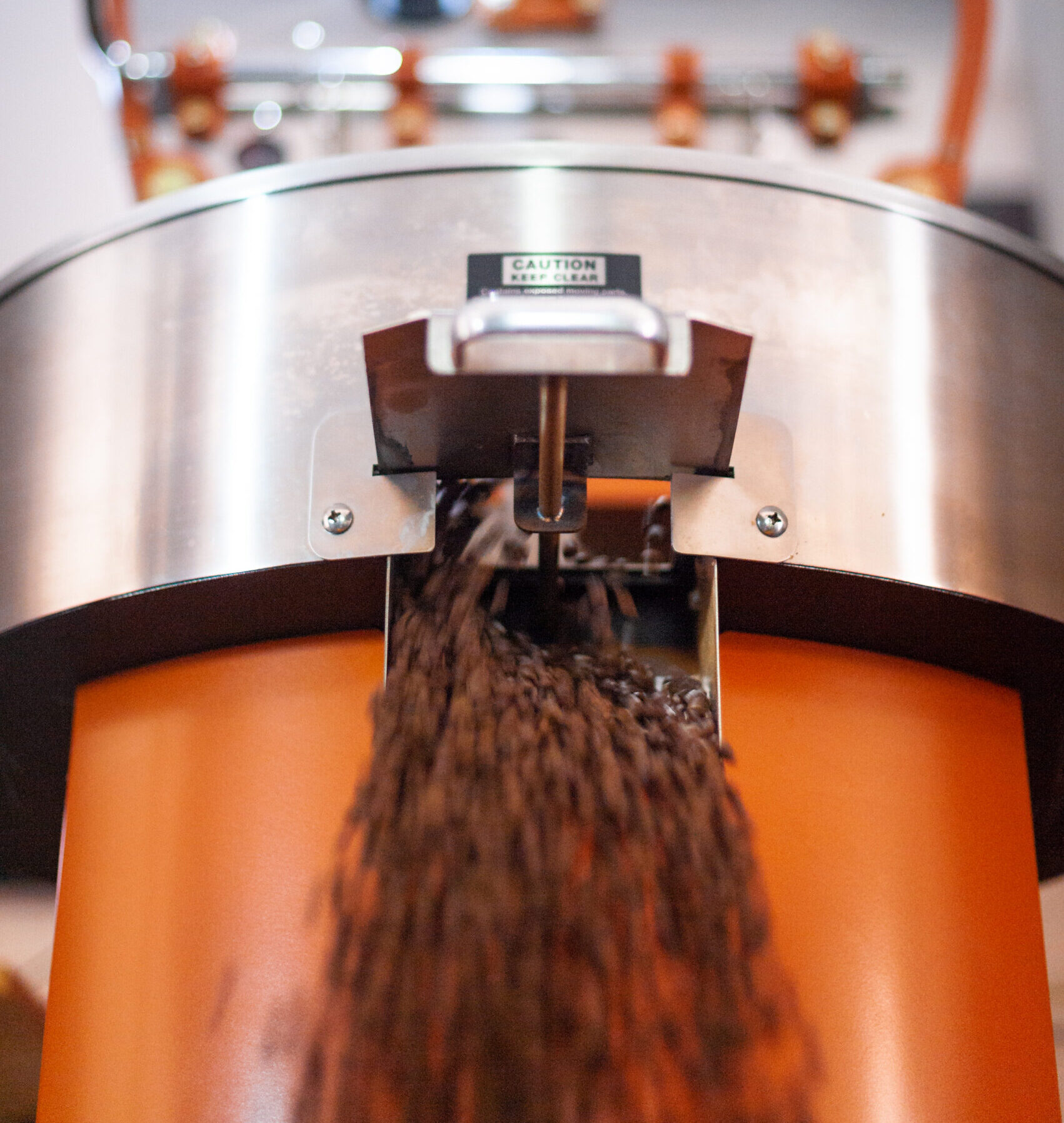
“I started roasting at 210°C and only needed to adjust the gas and airflow once to control the rising rate. That’s pretty unusual, since I usually have to adjust three or four times with our other coffees! But I was pleased with how this one was coming along and didn’t feel the need to make any more changes.”

“To ensure we kept those citrus notes, I gave the coffee beans a short development time, roughly 1 minute and 30 seconds after the first crack. When this development time is increased, like for our orange-labelled coffee, it allows the flavours to caramelise fully and leaves little to no acidity behind”

Love this, but looking for something gift-giving ready? Check out our gift sets >


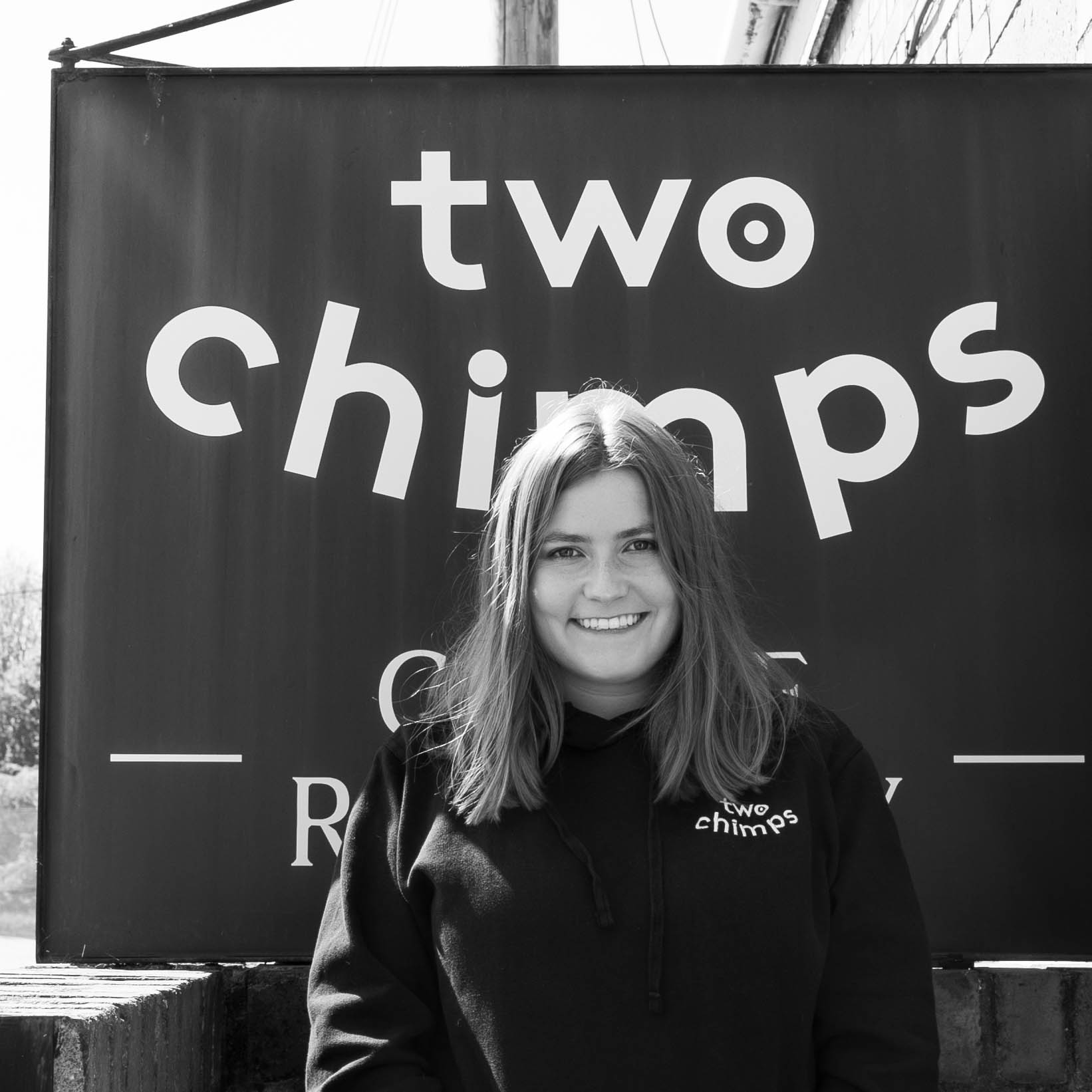
Charlotte Dibble

Meet the chimp behind this article!
Charlotte joined Two Chimps after completing her BA Hons in Graphic Communication and Illustration at Loughborough University. She also earned two diplomas: Art and Design Foundation and Professional Studies.

What Charlotte does outside of the treehouse:
In her spare time, Charlotte is a keen baker and loves to bring delicious treats for the team to enjoy during their Monday tea break. Charlotte likes to practice her drawing and painting skills to relax, usually with one of her cats sitting on her lap to keep her company!

Charlotte says…
“I’m thrilled to join the Two Chimps Troop after five years of studying. I get to write blogs, design, manage social media, and connect with our amazing customers every day. It’s always exciting, and I learn something new every day!”
Join the troop