Not Possible
Written on September 20, 2022 By Sunshine in Musings
Is it really possible that it has been over two years since my last post?
Yes I am Still Wondering Who I Am!
Written on September 20, 2022 By Sunshine in Musings
Is it really possible that it has been over two years since my last post?
Yes I am Still Wondering Who I Am!
Written on September 6, 2020 By Sunshine in Musings
I am really wondering that right now.
I have a lot on my mind. 2020 has not been a very good year for a number of reasons.
Written on September 5, 2020 By Sunshine in Musings
I’ve been away. Well that’s obvious. You can easily see that I haven’t posted anything here in nearly a year.
I had thought about giving up on posting here. But something has occurred that has brought me back.
A big part of that is that I have a secret. I am working on that post, but it may be a few days before I have it finished, but I thought I need to bring it back now.
I have just turned 62 and been thinking a lot about hitting that age. I’ve been looking back on my life. And I have come to a realization.
What is that? You’ll have to wait.
Written on October 6, 2019 By Sunshine in Musings
Friday night as I was getting ready for bed, I shivered and pulled a blanket up over me. It was the first time I’ve done that in months. Not since summer began.
It really wasn’t all that much cooler than it’s been all summer. Only a few degrees less than what the thermostat is set for the air conditioning.
But I still pull the blanket over me.
As I laid there feeling the warmth engulf my naked body, I do sleep in the nude, it occurred to me that maybe it is as much perception as reality.
October has arrived. It’s really the beginning of the Autumn season. October is very much the opposite of March. It comes in like a lamb and ends with the roar of the winter lion.
Even though the thermostat for winter will only be a few degrees lower than the present indoor temperature, I’ll be throwing more blankets on to cover me. And even wrap myself tight in them to be warm.
When looking at life this way, I am really believing that it is all a matter of perception. And in this case I suppose perception is reality.
Written on September 30, 2019 By Sunshine in Musings
I wish I could be more creative. I see people go to painting parties, but I won’t go. I don’t paint, draw or anything like that. I know many that are going probably don’t feel they are very good, but they still go. Why don’t I?
I love music and often sing along with the songs. But I don’t think I’ve a very good singer and I certainly don’t sing out in public. Even when singing Happy Birthday, I usually just mouth the words. Why don’t I.
I often watch the creative shows on PBS but do I ever try it. No I haven’t. Why Don’t I?
Why Don’t I?
After 6 decades of being the girl in the background, I like being that way.
I know part of the reason I’m not a creative person is that I’ve never really tried. The closest may be putting words down on paper, but that doesn’t happen very often. As one can see just by looking back on the nearly two years of postings here.
On New Year’s Eve people make New Year Resolutions. Ones that are rarely kept. Some don’t even make it through the day.
Tomorrow is October 1st. Other than being the first of the month, it’s no where near the New Year. In fact it’s just the beginning of the last quarter of the current year.
But I will make a resolution. I will attempt to become more creative.
What will I do?
Well I guess I have a whole day to make that decision.
Written on September 29, 2019 By Sunshine in Musings
OK, since I posted yesterday, I have decided that I will try to post something every morning. And this is for today, Sunday.
Tomorrow is the last day of September. Feels more like the beginning September than the end. Friday I went to a High School Football game. It sure didn’t feel like Football weather. Not that I’m complaining. I enjoyed the weather and the game.
Sunday’s are not one of my favorite days of the week. Probably in reality my least favorite. But being that I’m retired and only do volunteer work most days are just another day.
When I was living on the Island, I really hated Sundays with all of the beach traffic returning to their lives across the bridge. Often I couldn’t leave home with it being impossible to get anywhere with all of the cars. I have heard that this year has been one of the worst.
At least here I can, if I want, take a country drive. I remember growing up that my father would often take my grandmother out for a Sunday drive. Sometimes I would go, but often I wouldn’t. Now I wish I had so I would have those memories.
It’s funny how as we get older that those old memories are often the most comforting ones.
I’m off to watch my favorite Sunday Morning show. Oh, in case you my care, I had scrambled eggs and sausage for breakfast.
Written on September 28, 2019 By Sunshine in Musings
I don’t know what happened. Over a year has gone by and since the last time I posted anything here. How is that possible? It only feels like yesterday.
No, not that my 60th birthday just happened yesterday. That feels like it’s been a long time. But it does seem as if it was just yesterday, well maybe a month, since my last posting.
What has been going on for the past year. Let’s just say that it hasn’t been a good year. Over the winter I caught a cold that just seemed to never go away. It was into late May that I finally felt like it was gone.
My brother and I had a big fight. We are still sharing our parents house, but we rarely say anything to one another. Which is fine with me.
I started talking with an old friend after 10 years of not communicating. It wasn’t that I we had gotten upset with one another. We just stopped talking. I’m glad we are talking again.
I met a guy. We’ve been having a lot of fun together. He probably wouldn’t want me saying this. Even though he suffers from ED, our sex life has been pretty good. Hell, who am I kidding. it’s been fantastic.
Hopefully I won’t be forever between this and the next posting.
Written on August 28, 2018 By Sunshine in Ramblings
Well here it is. I have now finished living six decades and now into my seventh decade of life. Am I happy? No fucking way.
While 60 sure doesn’t feel like I thought it would. I would much rather be 20 years younger. When I turned 40 I was feeling good. Probably looked the best that I ever did. It was the time I was my happiest.
I havent’t been here with my musings lately. It’s been a rough few months. I ended up losing the place I was living and now while I’m not on the streets, I am no longer on the island. Now I’m living with my brother in the house that I was raised. Sleeping in the room that my Mom and Dad slept in until passed. Mom was there until she passed. And now it’s mine.
I really should paint it. I have no idea when it was last painted. Probably 20 years ago.
Yes, I suppose I am rambling. But wasn’t that part of what I was going to do on here?
So I think I’ll start again with those ramblings. Since I often don’t have anything particular to write. Yes, that’s also part of the reason I have been away from this for all of these months. Nothing to say.
Or rather probably plenty to say but not sure how to say it without ramblings. So maybe instead of thinking this as being a place to put down my Musings. I’ll just put don’t ramblings.
So here I am. Looking to ramble on in my 7th decade.
And what came to mind as I wrote this, “Ramble On” by Led Zeppelin – So that’s how I’ll close
Written on February 14, 2018 By Sunshine in Musings
February 14th. The so called day for lovers.
I have to say it’s has never really been a special day for me. I suppose mostly because I really never had the Love of My Life. And now at nearly 60, I’m not sure that I ever will.
Yes, I have had relationships that have gone through the middle of February. I have had Valentine’s Dates. Dinners that I remember fondly and after activities that I have enjoyed thoroughly. But none that was so special on that day to be considered a Day for Lovers.
I have nothing against Valentine’s Day. I am sure that for many it’s a very joyful, loving day. One that will forever have a special meaning. I have a friend who was proposed to on that date. Even though she is no longer with him, she has told me that she looks back on that day as one of the highlights of her life.
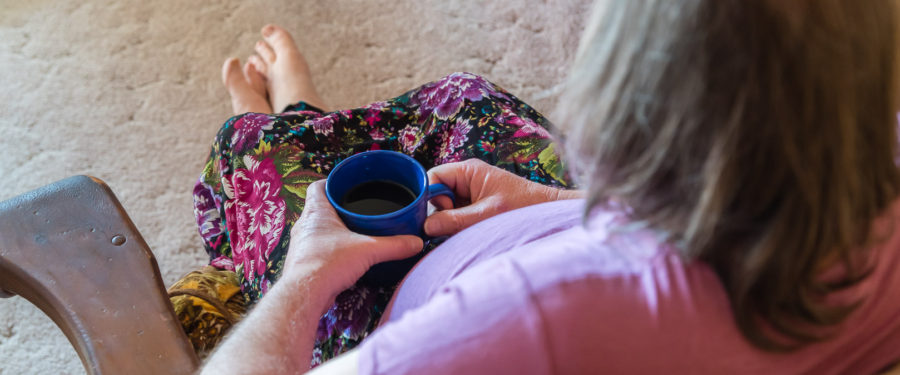
What will I be doing this evening on Valentine’s Day? As of right now I really have no idea, other than sitting in my comfy chair, probably with a nice hot cup of coffee and watching the TV. I heard that there may be Olympic Curling this evening on the TV.
Does it mean I’ll be lonely hearted? Not at all. I have a few male friends, female friends too, who may also be alone tonight that I could invite to be with me. I just am in the mood to spend it alone.
But for those who will not be alone.
Happy Valentine’s Day!!
Written on February 11, 2018 By Sunshine in Musings
I just heard that it it said that 80% of the New Year’s resolutions have gone by the wayside by the 2nd week in February. Well here it is the 2nd week of February and I have to say that mine haven’t gone by the way side. That’s because I didn’t really make any.
I set goals. The biggest one was just to survive the year. It’s been a tough beginning of the New Year. A few things haven’t fell into place as well as I would want. The cold winter has cost me more than I would have hoped. The bank account is nearing zero. But I’m alive to write this so it’s not all bad.
As I write this, I am watching the CBS Sunday Morning show, yes that’s where I heard about the little tidbit about New Year’s Resolution, and listening to the rain fall. I am glad it’s rain and not snow. If it was snow I imagine I would be stuck here for quite awhile. Which to be honest, I may anyway. I have no place to go, no one to see. And it’s time for the Olympics. Although I haven’t watched much so far. I did see the US win their first ever metal in male single luge this morning. Congratulations to Chris Mazdzer.
I’m looking forward to watching more of my favorite sport of the winter games. Curling. Why is it my favorite? I really don’t know. Does anyone really know why they like one thing and could care less about another? The one thing in the Olympics I could care less about is Figure Skating.
I guess I’ll be fine as long as the potato chips, coffee and can soup lasts. And the best part of 60 degree day of rain in February, it’s warm enough to be nude without shivering.